How one false World War I scoop sent America celebrating
Jump to main content
SYNDICATED COLUMN
OPINION: HOLY COW! HISTORY: America's first viral 'fake news' moment Published
We hear a lot these days about “fake news,” but it’s not a new complaint. In fact, one wartime reporting blunder hit America like a bombshell. Here’s the story.
Mankind had never seen anything like World War I. It featured brand-new horrors such as poison gas, bombs dropped from the sky, tanks and machine guns. More than 70 million people from 32 countries fought, and 17 million died. An additional 20 million were wounded.
Folks desperately wanted the war to end. When November 1918 arrived, it seemed peace was finally within sight.
Which is where Roy Howard enters the story. He was the president of United Press (later United Press International), a news service locked in fierce competition with rival The Associated Press.
With the war winding down, Howard was in Brest, France, on Nov. 7, meeting with Adm. Henry Wilson, the commander of American naval forces there.
Exactly what happened next is fuzzy. Wilson had just received word (either by telegram or phone) from a friend at the American Embassy in Paris that an armistice had been signed that morning. The war was over!
Journalists spend their entire career waiting for a scoop that big. And Howard had it all to himself.
He asked Wilson if it was OK to report the news. Sure, the admiral said.
Howard sped off to the nearest telegraph office, where he violated UP’s rules. All dispatches coming from France were to be signed by Howard and William Simms, UP’s foreign editor. But Simms was 375 miles away in Paris. Waiting to reach him would jeopardize the exclusive.
So Howard simply forged Simms’ signature and sent these words:
Ad
“URGENT – ARMISTICE ALLIES SIGNED ELEVEN [this morning] — HOSTILITIES CEASED TWO [this afternoon] HOWARD-SIMMS.”
The news hit New York like a bomb. Wall Street suspended trading at 1 p.m. Stores closed, with one merchant posting in his window, “Too happy to work. Come back tomorrow!” Traffic stopped as crowded streets turned into impromptu block parties. And of course, alcohol flowed very, very freely.
The word Americans, and all people the world over, had longed to hear was finally being said. Peace.
Except it wasn’t. Across the Atlantic, the war still raged in France. Adm. Wilson’s friend had merely passed along a rumor. And Howard hadn’t bothered to confirm it.
When the news reached Washington, Secretary of State Robert Lansing practically tripped over himself issuing a denial. It hit the wires at 2:15 p.m.
However, the people rejected it. They clung to what they wanted to believe, that the war was indeed over, and they weren’t going to let anyone take it away from them. Angry mobs destroyed copies of newspapers that ran the denial and even briefly attacked the Associated Press’ New York office when it couldn’t confirm an armistice.
Celebrations lasted all night across the country.
Yet, by the next morning, there could be no disputing it. Men were still fighting and dying in the trenches. The UP had got it wrong.
The New York Times called it “the most flagrant and culpable act of public deception” in the history of journalism. The New York Evening Sun gloated that it hadn’t reported the “fake news” as fact.
The armistice was actually signed a few days later, “on the eleventh hour of the eleventh day of the eleventh month.”
With the war really and truly over, Americans did it all over again. The so-called “False Armistice” of Nov. 7 had merely been a dress rehearsal for the real thing on the 11th.
As for Roy Howard, he wiped the egg off his face and soldiered on. He headed the E.W. Scripps Company in 1920, which later became the Scripps-Howard newspaper and broadcasting chain. He even interviewed Josef Stalin in the Kremlin in 1936. Yet, when Howard retired in 1953, his big mistake from 35 years earlier still hounded him. And always did.
“Fake news” has been around a long time. It will likely still exist a long time from now, too. And that’s a fact.
J. Mark Powell is a novelist, former TV journalist and diehard history buff. He is the author of “Witness to War: The Civil War Told by Those Living Through It”; it is available now for preorder online. He wrote this for InsideSources.com.
Ad
‘The Atlantic’ magazine makes Santa Fe stop as part of its across America tour
Event highlighted state’s connections to astronomy, space exploration
New Mexico bill could regulate AI chatbots to protect children, teens
Chatbot Safety Act targets mental health risks posed by generative AI

‘Build it now.’ Sierra County leaders look toward growth
Cities, county consider plans for building the region
OPINION: New Mexico can't afford to be left out of innovation and opportunity
Lobos in the mix heading into MW second half
SDSU has the advantage, but UNM is near the top and surging
Downtown Albuquerque closes offices early amid protest
City and county buildings, including City Hall and Alvarado Square, are shutting at 1 p.m. and jail releases to a center Downtown are paused as officials brace for an afternoon Civic Plaza demonstration
New Mexico’s first BODYBAR Pilates powers up at Winrock Town Center
The business offers a studio that hosts expert-led classes and a boutique featuring athletic apparel
Lobos are feasting, but there's still meat on the metrics bone
UNM head coach doesn't care about margin of victory, but he does care about the Lobos letting up late in games
More than 100 gather at Santa Fe vigil for immigration enforcement shootings
Senate, White House appear ready to make a deal on Homeland Security funding
A new bill could change the way New Mexico high school athlete eligibility is handled
Senate Bill 141 would take away power from the NMAA and give it to Public Education Department
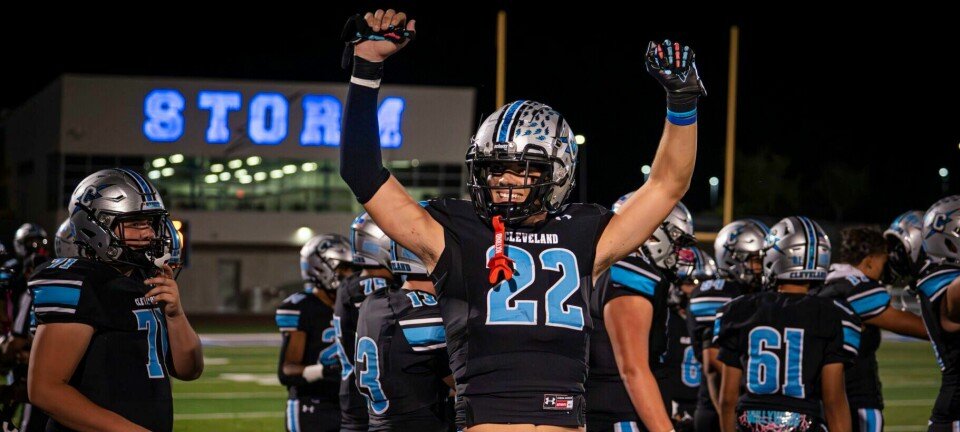
Cleveland's Elijah Richards decommits from UNM
Storm standout would've been the fourth local product in the Lobos' class of 2026
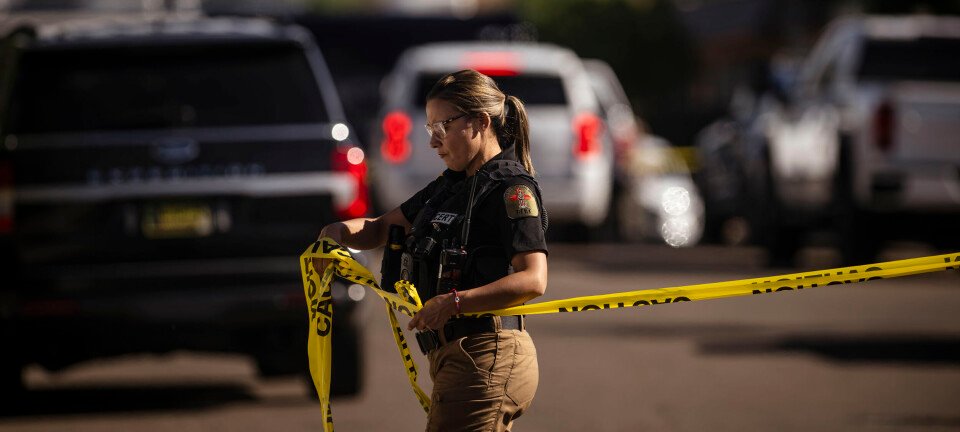
NM National Guard chief says operation on Central Avenue 'didn't change much'
Maj. Gen. Miguel Aguilar said corridor's 'current outcomes are predictable and self-sustaining'
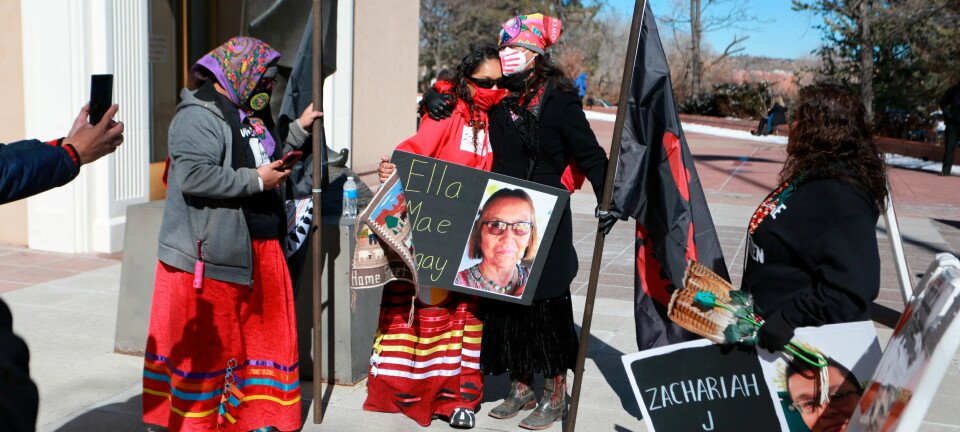
Man could avoid more prison time with guilty plea in Navajo woman's disappearance
Preston Henry Tolth admits to stealing Ella Mae Begay's truck and assaulting the woman before leaving her on the roadside
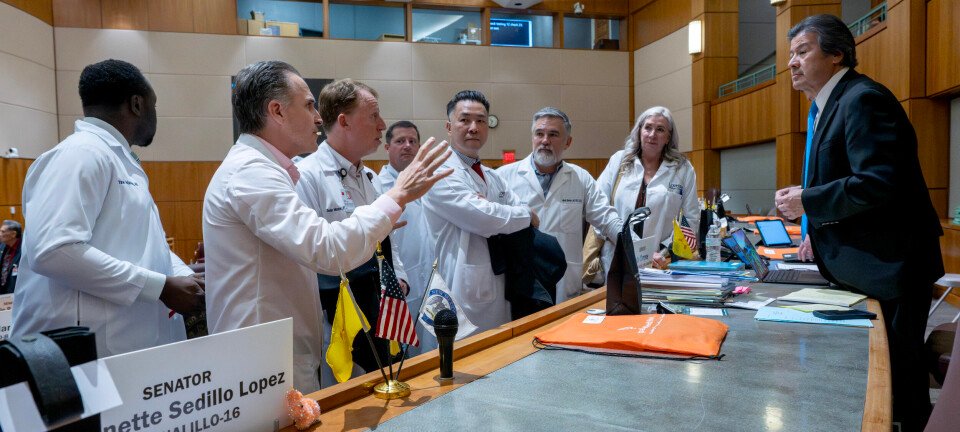
As closed-door talks stall, medical malpractice fix could hinge on limits to punitive damages
Bill set for Friday hearing proposes a $6 million cap on punitive damages for hospitals
✕ Powered by Labrador CMS